'Across India Gods Are Given Alcohol': Mythologist Devdutt Patnaik On India's Religious Offerings & What It Reveals About Our Faith
· Free Press Journal
Across India, food is rarely just food. It is memory, geography, identity and, often, devotion served on a plate.
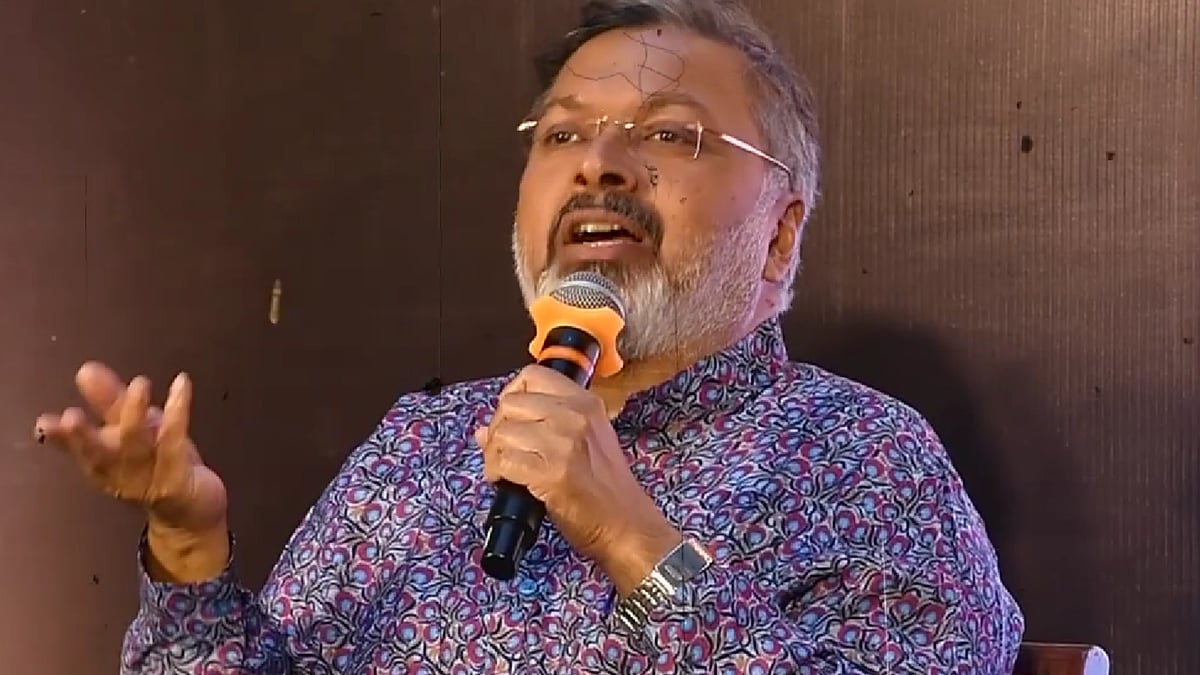
At a thought-provoking panel discussion on food, myths and mythology, author and mythologist Devdutt Patnaik offered a lens that moved beyond ritual and into culture, history and lived reality.
Visit fish-roadgame.online for more information.
Speaking exclusively to FPJ, he suggested that what people offer to their gods often says more about human societies than about divinity itself.
In temples, homes and shrines across the country, offerings shift quietly with the landscape. In northern regions, milk-based sweets such as kheer dominate ritual spaces.
Elsewhere, Lord Ganesha’s beloved modak takes different shapes and forms, mirroring local culinary traditions. In Himalayan belts, dumpling like offerings resemble momos, filled with locally available vegetables. Along India’s vast coastline, coconut naturally becomes sacred, not just symbolic, but agricultural.
The story deepens when communities enter the frame. Fishing communities such as the Kolis in Maharashtra may offer fish to certain goddesses, reflecting generations shaped by the sea.
In contrast, vegetarian trading communities maintain plant-based offerings, aligning faith with lifestyle. The divine, in many ways, begins to mirror the devotee.
Patnaik also pointed to traditions that sit outside mainstream urban conversations. In several folk practices across India, certain deities are offered alcohol or non-vegetarian food. These traditions, often rooted in rural and working-class cultures, existed long before modern ideas of ritual purity began to standardise worship practices.
History too leaves its imprint. Ancient Indian diets were built around rice, fish, meat, milk and ghee. Ingredients now considered essential to Indian cooking, such as potatoes and chillies, arrived much later through trade routes. Earlier communities ate what rivers, forests and fields offered — fish from full rivers, game from forests, seasonal crops from local soil.
In that sense, mythology is not frozen in scripture. It is alive, adaptive and deeply human.
Because sometimes, understanding what gods are offered is really about understanding the people standing before them.