Bhopal News: ‘Surgery Best Option For Oral Cancer, Not A Risk’
· Free Press Journal
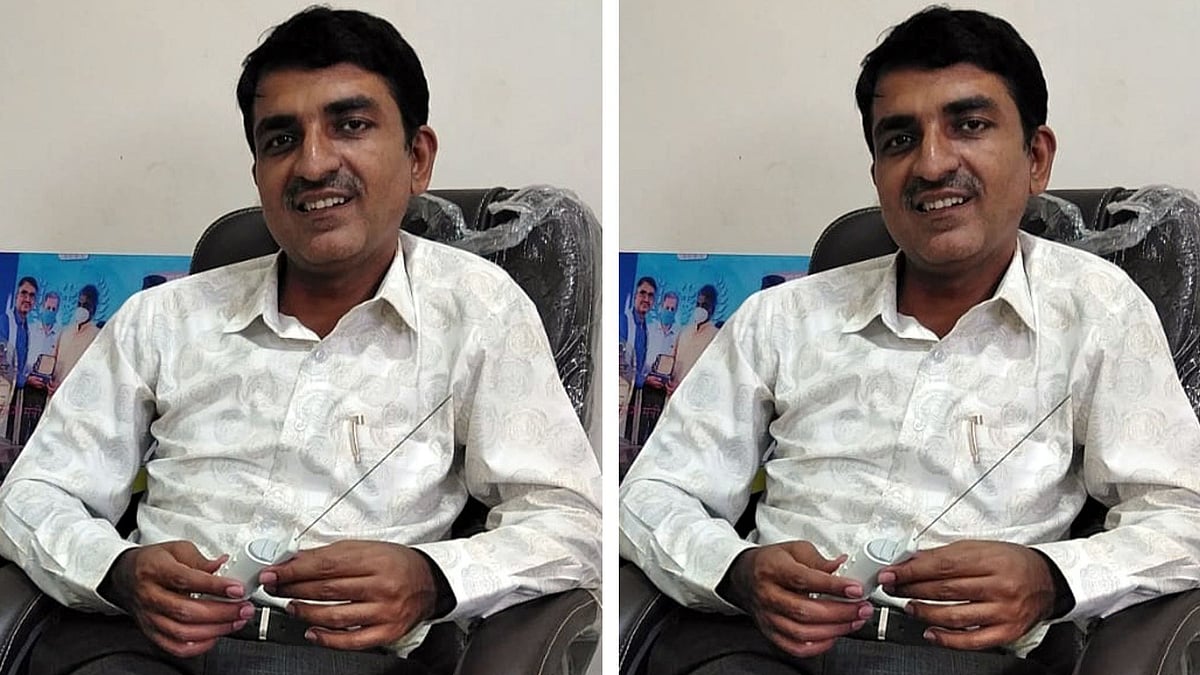
Bhopal (Madhya Pradesh): The belief that surgery spreads cancer is a common public misconception. Onco-surgeon Yogeshwar Shukla spoke to Free Press on cancer treatment and misconceptions. Excerpts:
There is a perception that surgery spreads cancer. What is your view?
Visit h-doctor.club for more information.
Many people believe that cutting into a tumour or exposing it to air allows it to spread or worsen. In reality, surgery is a primary, highly effective, and often curative treatment for solid tumours. This misconception, driven by fear and misunderstanding, often leads patients to refuse potentially life-saving procedures.
Patients get tense even in case of biopsy. How do you counsel them for further treatment?
Treatment facilities have changed significantly. Earlier, surgery was performed even for biopsy. But now a biopsy gun is used, which is similar to a normal injection. It collects tissue for testing. A biopsy is a medical procedure, not typically considered major surgery, that removes a small sample of tissue, cells, or fluid for laboratory examination to check for cancer or other diseases.
There are three options, surgery, chemotherapy and radiation for cancer treatment. Which one is the best option?
It depends on the type of cancer. For example, in blood cancer, surgery has no role, so chemotherapy is recommended. Oral cancer surgery is the primary, first-line treatment to remove tumours from the mouth, tongue, gums, or throat, often involving the excision of surrounding healthy tissue to ensure complete removal.
Chemotherapy is a primary, highly effective treatment for blood cancers such as leukaemia, lymphoma, and myeloma. Radiation therapy is most effective for localised solid tumours, particularly in the breast, prostate, head and neck, lung, and cervix. It is also effective in treating cancers that have not spread such as skin cancers.
Oral cancer is on the rise and Bhopal is a major hotspot. How can it be controlled?
The main reason is chewing gutka and tobacco. Tobacco typically takes about 40 years to cause cancer. If someone starts consuming it at the age of 15, cancer may be detected between 50 and 60 years of age. However, gutka starts affecting the body within 15 years. If children begin chewing gutka at 15, cancer may be detected between 25 and 30 years of age. Both are dangerous but gutka is more harmful due to its chemical composition.
Overlapping symptoms often confuse patients and delay diagnosis. How should patients differentiate?
Overlapping symptoms are common. For example, in piles and colon cancer, bleeding occurs in both cases, and patients often assume it is due to piles. Similarly, frequent anaemia can also be a symptom of cancer. A non-painful oral blister or ulcer may also indicate cancer. In such cases, patients should consult an oncologist promptly for early diagnosis.
Bhopal News: Capital Top On MP’s Water Pipeline Leak List